
Will Window Tinting Reduce Your Energy Bills in Alberta?
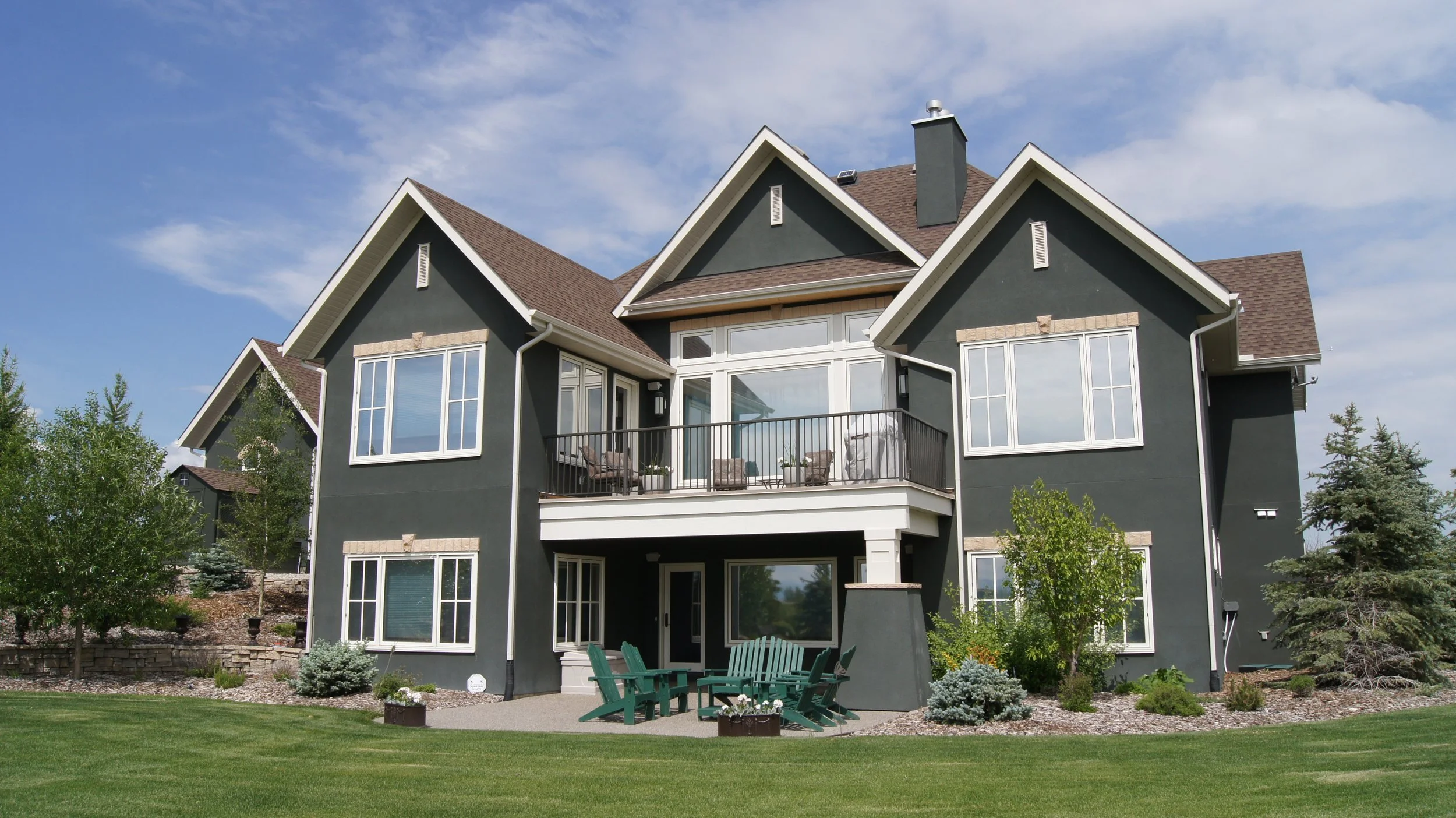
Will Window Tinting Reduce Your Energy Bills in Alberta?
If your home heats up quickly in the summer or your air conditioning runs constantly, you have likely wondered if there is a way to reduce those energy costs.
Window tinting is often recommended as a solution. But does it actually lower your energy bills, or is it just about comfort?
The answer is yes, but the amount you save depends on several key factors.
The right film choice can affect comfort and efficiency. See our guide on the best window tint options for your home.
How Heat Affects Your Energy Bills
In Alberta, especially in areas like Medicine Hat, homes are exposed to long hours of direct sunlight during the summer.
When sunlight passes through untreated glass:
Heat builds up inside your home
Indoor temperatures rise quickly
Your air conditioning system works harder and runs longer
This increased workload is what drives up your energy bills.
If you want a deeper look at performance, it helps to understand exactly how much heat can be stopped at the glass. You can read more in our guide on how much heat window tinting actually blocks in Medicine Hat.
How Window Tinting Reduces Energy Use
Window film reduces the amount of solar heat entering your home through the glass.
By blocking a significant portion of that heat:
Indoor temperatures stay more stable
Your cooling system cycles less frequently
Less energy is required to maintain comfort
This reduction in workload is where energy savings come from.
The U.S. Department of Energy notes that a significant portion of residential heating and cooling energy is affected by window performance, making it one of the most important areas to address when improving efficiency.
How Much Can You Actually Save?
Energy savings vary by home, but most homeowners can expect a noticeable reduction in cooling costs.
Typical results include:
Reduced air conditioning runtime during peak hours
Lower monthly energy bills in summer
Improved efficiency in sun-exposed rooms
Homes with large south or west-facing windows usually see the biggest impact.
Example Scenario
Consider a home in Medicine Hat with a large west-facing living room.
Before window film:
The room overheats in the afternoon
The thermostat triggers longer cooling cycles
Energy use increases during peak hours
After installing high-performance window film:
Less heat enters through the glass
The room stays closer to the desired temperature
The cooling system runs less often
Over time, this leads to measurable energy savings.
What Impacts Your Energy Savings?
1. Amount of Sun Exposure
Homes with more direct sunlight will see greater savings.
Key factors include:
Window direction
Size of glass areas
Lack of exterior shading
2. Type of Window Film
Higher-performance films deliver better results.
Films designed to block infrared heat are especially effective at reducing cooling demand.
Learn how spectrally selective window film can improve comfort while maintaining natural daylight.
3. Your Current Energy Usage
If your air conditioning already runs frequently, reducing heat gain will have a bigger effect on your energy bills.
4. Home Design
Open-concept homes and rooms with large windows tend to gain more heat, which increases the potential for savings.
Summer vs Winter Savings
Summer
This is where window film has the greatest impact.
By reducing solar heat gain:
Cooling costs decrease
Comfort improves significantly
Winter
In colder months, high-quality window films can help:
Reduce heat loss through glass
Improve insulation performance
While winter savings are typically smaller than summer savings, they still contribute to overall efficiency.
Energy Savings vs Comfort
It is important to separate the two benefits:
Energy savings reduce your utility costs
Comfort improvements make your home easier to live in
Most homeowners notice the comfort difference immediately, while energy savings become clear over time.
Is Window Tinting Worth It for Energy Savings?
For many homeowners in Alberta, the answer is yes.
Window film is one of the few upgrades that:
Targets the source of heat gain directly
Requires no major renovation
Delivers both immediate and long-term benefits
When combined with proper installation and the right film selection, it can be a cost-effective way to improve efficiency.
How It Compares to Other Upgrades
Compared to options like:
Replacing windows
Adding exterior shading structures
Upgrading HVAC systems
Window film is:
Less invasive
More affordable
Faster to install
This makes it a practical first step for reducing energy use.
Final Thoughts
Window tinting can reduce energy bills by lowering the amount of heat entering your home, especially during the summer months in Medicine Hat.
The actual savings will vary, but homes with high sun exposure and larger windows tend to benefit the most.
If your goal is to improve comfort and reduce cooling costs, window film is a proven and effective solution.
Start saving on your energy bills now. Call Pinnacle Window Films at 403-472-9352 or visit us at 913 S Railway St, Medicine Hat, AB. You can also book a free consultation online at pinnaclewindowfilms.ca and start taking control of your home’s comfort today! Our free consultations will help you understand just how well our films perform, so you know exactly what to expect.
FAQ Section
Does window tinting really lower energy bills?
Yes. By reducing solar heat gain, window film lowers the workload on your cooling system, thereby reducing energy use.
How long does it take to see savings?
Most homeowners see changes in their cooling usage right away, with bill reductions noticeable over time.
Is window tinting better than replacing windows?
In many cases, window film is a more cost-effective way to improve energy efficiency without replacing existing windows.
Will it help in winter too?
Yes, but the biggest savings typically occur during summer months when heat gain is highest.
